

Conference Speakers & Moderators
At GMS annual national conference 2026 the focus is on rare diseases, cancer, and microbiology. We are pleased to welcome distinguished international and national speakers alongside presentations highlighting GMS activities.

Key Note Speakers
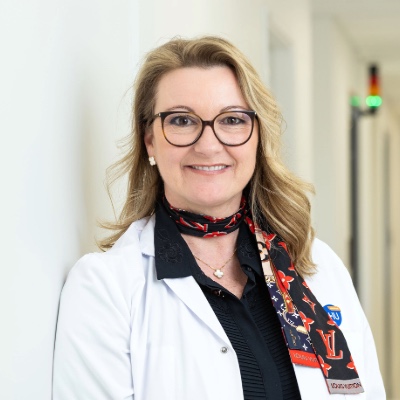
Prof. Catherine Alix-Panabières
Liquid Biopsy: The Rise of a Medical Revolution
Affiliation: Montpellier University Medical Center and University of Montpellier, France.
Learn more
Professor Catherine Alix-Panabières is an internationally recognized pioneer in liquid biopsy and Professor of Oncology and Hospital Practitioner at Montpellier University Hospital and the University of Montpellier. For more than 25 years, her research has made decisive contributions to the development and clinical implementation of liquid biopsy, particularly through the study of circulating tumor cells (CTCs). As co-author of the first scientific publication to introduce the term “liquid biopsy” into the international scientific literature in 2010, she is recognized for her major advances in the detection, characterization, and clinical exploitation of CTCs in precision medicine.
Catherine Alix-Panabières is Director of the Laboratory of Human Rare Circulating Cells and Liquid Biopsy (LCCRH) in Montpellier, Professor of Oncology at the University of Montpellier, and Visiting Professor at the University of Hamburg. She has authored more than 180 scientific publications, holds several patents, and has received numerous international distinctions, including the Lifetime Achievement Award from the International Society for Liquid Biopsy.
Her international scientific standing is further reflected in her election to the Executive Board of the French National Academy of Medicine, her membership of the Academy of Sciences and Letters of Montpellier and the European Academy of Cancer Sciences (EACS), as well as her roles on several international scientific committees, including those of the German Cancer Research Center (DKFZ), the American Association for Cancer Research (AACR), and the Maseo Horiba Award in Japan.
Through her research and scientific leadership, Professor Alix-Panabières has made a major contribution to establishing liquid biopsy as an essential tool in modern oncology.
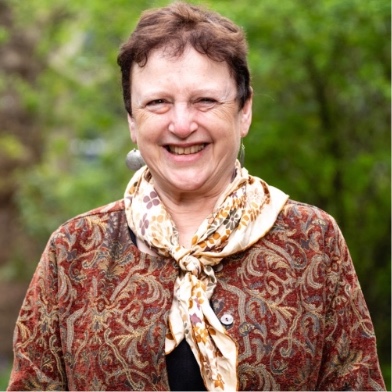
Prof. Judith Breuer
Targeted metagenomic sequencing for rapid precision diagnosis of infections
Affiliation: University College London, UK
Learn more
Professor Judith Breuer is Professor of Virology at University College London (UCL) and a leading researcher in the application of genomics to infectious disease diagnostics and surveillance. Her research focuses on developing and applying genomic approaches to rapidly identify and characterise pathogens, with a particular interest in viral infections.
Her work combines metagenomic sequencing, pathogen genomics and bioinformatics to improve the speed and precision of infectious disease diagnosis. She has been instrumental in developing targeted Nanopore sequencing approaches that enable rapid detection and characterisation of pathogens directly from clinical samples, supporting more timely and informed clinical decision-making.
She has also contributed extensively to the use of pathogen genomics for outbreak investigation, transmission surveillance and public health, helping translate genomic technologies into practical applications in healthcare.
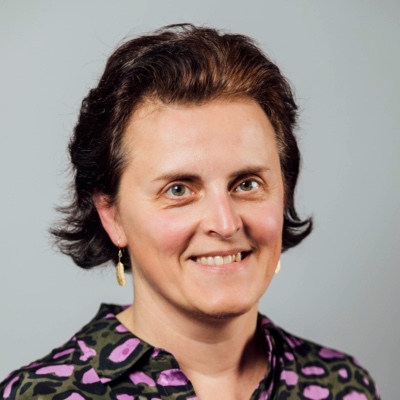
Prof. Elfride de Baere
Multiomics short-read and long-read genomics and transcriptomics resolves undiagnosed eye diseases
Affiliation: Ghent University, Belgium
Learn more
Elfride De Baere is Senior Full Professor at Ghent University and Head of Clinic at the Center for Medical Genetics Ghent. Her research focuses on the genomics ofinherited retinal diseases and the regulation of the retina.
She has contributed to resolving missing heritability in retinal and developmentaldiseases through multi-omics approaches, combining short-read and long-read genomics and transcriptomics, and leveraging epigenomic datasets. She has identified disease-causing genes and studied the role of non-coding variation ontranscription and splicing. Her team has modeled disease in retinal stem cell models and Xenopus tropicalis, and explored therapeutic opportunities for IRD.
She coordinates several European research networks and founded the RARE-MED consortium at Ghent University to advance precision medicine for rare diseases. She is a member of the ESHG and the European Retinal Disease Consortium(ERDC) boards. She is a member of the ASHG and ESHG program committees.
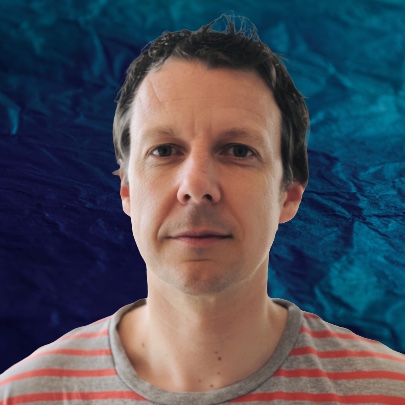
Prof. Christian Gilissen
Long-read sequencing: a new standard in genetics
Affiliation: Radboud University Medical Center, Nijmegen, The Netherlands
Learn more
Professor Christian Gilissen is Professor of Genome Bioinformatics at Radboud University Medical Center (Radboudumc), where he leads the GenomeBioinformatics research group. His research focuses on developing and implementing new genomic technologies, bioinformatics and AI-basedapproaches to improve genetic diagnostics and identify disease-causing geneticvariation.
A major focus of his work is long-read sequencing and its clinical application in rare disease diagnostics. Together with colleagues, he has demonstrated thatlong-read sequencing can identify genetic causes that are difficult to detect withconventional short-read approaches, including complex structural variants and changes in repetitive regions. Recent work has shown that long-read genomesequencing can detect the majority of previously unresolved genetic causes in challenging rare disease cases.
His research also explores how long-read sequencing can provide additionalinformation, such as DNA methylation, potentially enabling more comprehensiveand efficient genetic diagnostics. Radboudumc has pioneered the large-scaleimplementation of long-read sequencing as a first-choice clinical test.
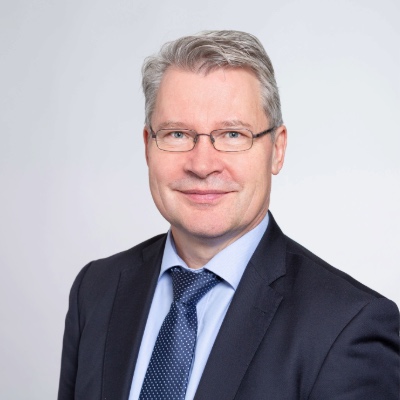
Prof. Klaus Pantel
Affiliation: University Medical Center Hamburg-Eppendorf (UKE), Hamburg, Germany
Learn more
Professor Dr. Klaus Pantel is Director of the Institute of Tumor Biology at the University Medical Center Hamburg-Eppendorf. The Institute is part of the Center for Experimental Medicine and the University Cancer Center (UCCH).
Prof. Pantel graduated from the University of Cologne in 1986 and completed his dissertation in 1987 in the field of mathematical models of hematopoiesis. After his postdoctoral training in the USA at Wayne State University, Detroit, where he conducted research on hematopoietic stem cell regulation, he spent 10 years at the Institute of Immunology at the University of Munich, where he habilitated in 1995 in the field of experimental immunology and immunotherapies.
Prof. Pantel’s pioneering work in the field of micrometastasis and liquid biopsy (analysis of tumor components in the blood, e.g. circulating tumor cells and circulating nucleic acids (ctDNA, microRNAs)) of solid tumors is reflected in more than 600 publications (h-factor 161) in excellent high-ranking biomedical and scientific journals (incl. NEJM, Lancet, Nature Journals, Cancer Cell, Science Translational Medicine, Cancer Discovery, PNAS, JCO, JNCI, Cancer Res.). His research work has been recognized by the AACR Outstanding Investigator Award 2010, the German Cancer Award 2010, and four ERC Grants, among others. He is the Founder and current President of the European Liquid Biopsy Society (www.elbs.eu) and the Scientific Coordinator/Lead-PI of the EU consortia PANCAID (https://pancaid-project.eu/) and GUIDE-MRD (www. https://www.guidemrd-horizon.eu/).
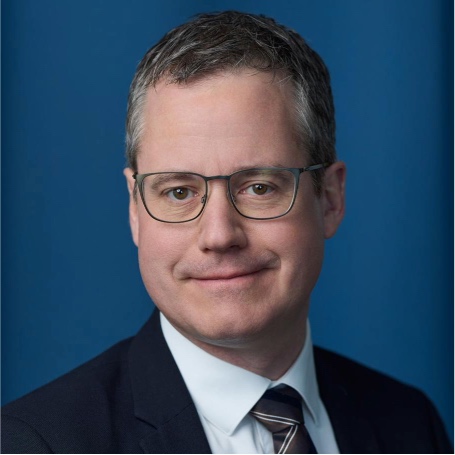
Dr. Étienne Richer
From Data to Impact: The Canadian Precision Health Initiative within the Genomic Ecosystem
Affiliation: Genome Canada
Learn more
Dr. Étienne Richer is Director of Precision Health at Genome Canada, where he leads the Canadian Precision Health Initiative (CPHI). He has a background in virology and immunology, with expertise spanning genomics, personalised medicine, health economics and research strategy.
Before joining Genome Canada, he spent more than 14 years at the Canadian Institutes of Health Research (CIHR) Institute of Genetics, first as Assistant Director and later as Associate Scientific Director. During this time, he helped shape national research strategies and build partnerships in genomics, personalised medicine, rare diseases and health data sharing.
His work focuses on translating genomics and large-scale health data into impact, strengthening national genomic infrastructure and advancing precision health. He has also played a leading role in international personalised medicine initiatives, including as Chair of ICPerMed.
His research also explores how long-read sequencing can provide additionalinformation, such as DNA methylation, potentially enabling more comprehensiveand efficient genetic diagnostics. Radboudumc has pioneered the large-scaleimplementation of long-read sequencing as a first-choice clinical test.
Short Talk Speakers
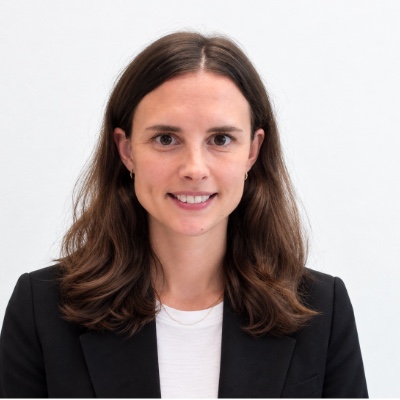
Asst. Prof. Sanna Gudmundsson
Leveraging Large-scale Omics Data to Advance Rare Disease Diagnostics
Affiliations: Karolinska Institutet & Broad Institute of MIT and Harvard
Learn more
Sanna Gudmundsson is an Assistant Professor at Karolinska Institutet and an affiliated researcher at the Broad Institute of MIT and Harvard. Her research uses large-scale omics datasets, including gnomAD, the Broad Center for Mendelian Genomics and dGTEx, to improve the interpretation of variants associated with rare diseases.
She investigates the mechanisms underlying incomplete penetrance and variable expressivity, helping to explain why the same pathogenic variant can result in different clinical outcomes. Her work contributes to more accurate genomic diagnostics and supports the implementation of precision medicine for patients with rare diseases.

Assoc. Prof. Martin Sundqvist
Affiliations: Department of Medical Sciences, Örebro University; Clinical Microbiology, Örebro University Hospital, Region Örebro County; Genomic Medicine Sweden (GMS).
Learn more
Martin Sundqvist is Associate Professor and Senior Consultant in Clinical Microbiology, Örebro University and Örebro University Hospital. He is a specialist in clinical bacteriology and virology whose research focuses on antimicrobial resistance, antibiotic use, clinical microbiology and genomic approaches to infectious diseases. His recent work includes clinical metagenomics, rapid susceptibility testing and genomic surveillance of antimicrobial-resistant bacteria. Within GMS, he has contributed to the development and implementation of genomic methods for infectious disease diagnostics and national surveillance.
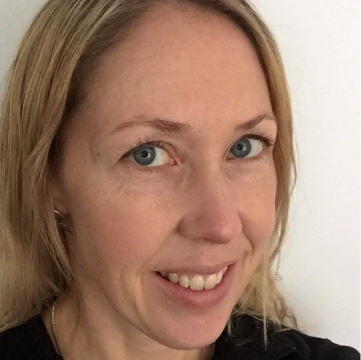
Dr. Erika Tång Hallbäck
Precision diagnostics with metagenomic analysis and antibiotic resistance prediction
Affiliations: Department of Medical Sciences, Örebro University; Clinical Microbiology, Örebro University Hospital, Region Örebro County; Genomic Medicine Sweden (GMS).
Learn more
Erika Tång Hallbäck is a researcher in infectious diseases at the University of Gothenburg and works in clinical microbiology at Sahlgrenska University Hospital. She is the coordinator of GMS Microbiology, where she contributes to the implementation of genomic approaches in infectious disease diagnostics.
Her work focuses on genomic surveillance of antimicrobial-resistant bacteria, rapid pathogen identification and sequencing-based diagnostics. She has been involved in national GMS initiatives using whole-genome sequencing to improve the detection and monitoring of outbreaks, including MRSA, as well as long-read sequencing for rapid bacterial identification.
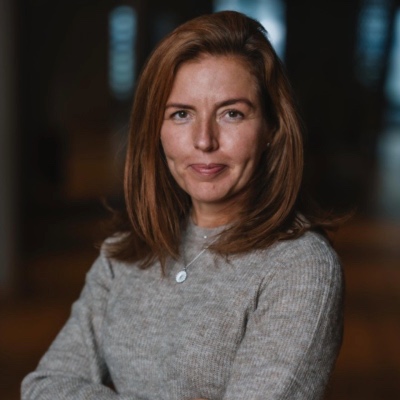
Carolina Vitabäck
Patient perspective
Learn more
Carolina Vitabäck contributes a patient perspective to the discussion on precision medicine, bringing attention to the experiences, needs and expectations of patients in the development and implementation of genomic healthcare. Her contribution highlights the importance of making advances in genomics meaningful, accessible and relevant to those who ultimately benefit from precision medicine.
Moderators

Dr. Tobias Allander
Affiliations: Adjunct Senior Lecturer and Docent, Karolinska Institutet; Senior Consultant in Clinical Microbiology, Karolinska University Hospital
Learn more
Tobias Allander is an Adjunct Senior Lecturer and Docent at Karolinska Institutet and a senior consultant in Clinical Microbiology at Karolinska University Hospital. His research focuses on viral genomics, metagenomics and clinical virology, with particular expertise in HIV, enteroviruses and coronaviruses. His work aims to develop genomic and metagenomic approaches for improved detection and diagnosis of infectious diseases. Since May 2026, he is also Co-Chair for Microbiology at Genomic Medicine Sweden, where he contributes to advancing metagenomics and genomic approaches in infectious disease diagnostics.
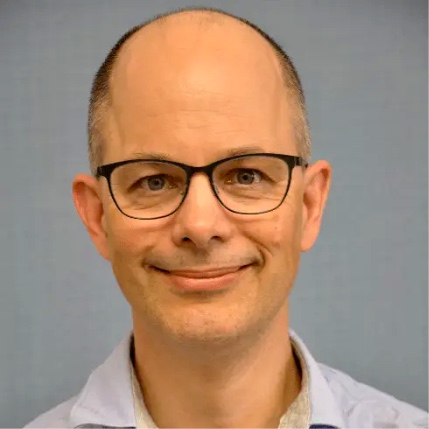
Dr. Anders Edsjö
Implementing Genomic Precision Medicine in Cancer Care: From Current Practice to Broader Clinical Use
Affiliations: Senior Consultant in Clinical Pathology, Region Skåne, and Deputy Director of Genomic Medicine Sweden (GMS)
Learn more
Anders Edsjö is a Senior Consultant in Clinical Pathology at Skåne University Hospital and Deputy Director of Genomic Medicine Sweden (GMS). He is also Vice Chair of the GMS Management Group and Co-chair of the GMS Solid Tumours Working Group.
His clinical and research work focuses on molecular diagnostics and genomic profiling in cancer, with particular expertise in solid tumours. He has contributed to the development and implementation of precision oncology, including the transition from targeted molecular testing to broader genomic profiling in clinical practice.
Within GMS, he works to advance the coordinated implementation of genomic precision medicine in Swedish healthcare, with a particular focus on national approaches to molecular diagnostics in solid tumours and enabling broader and more equitable access to precision oncology.
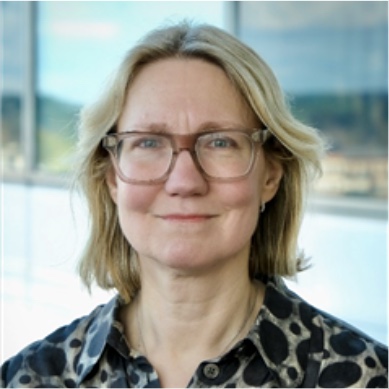
Adj. Prof. Anna Lindstrand
Affiliations: Department of Molecular Medicine and Surgery, Karolinska Institutet; Department of Clinical Genetics and Genomics, Karolinska University Hospital; Genomic Medicine Center Karolinska (GMCK); Genomic Medicine Sweden (GMS).
Learn more
Anna Lindstrand is an Adjunct Professor and Senior Consultant in Clinical Genetics. Her research focuses on rare genetic diseases and structural genomic variation, combining genomic sequencing, bioinformatics and detailed clinical characterisation to improve the diagnosis and understanding of rare disorders. She leads the Rare Diseases research group at Karolinska Institutet and heads the Clinical Genetics and Genomics diagnostic laboratory at Karolinska University Hospital.
Within GMS, Anna Lindstrand is Co-chair of Rare Diseases, where she contributes to the national implementation of genomic diagnostics and whole-genome sequencing for patients with rare diseases.
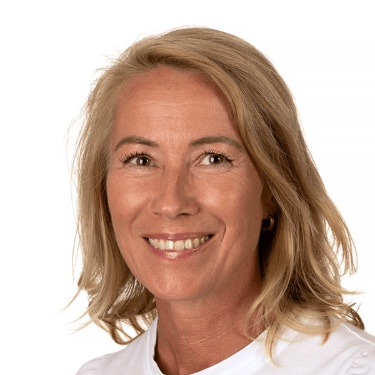
Assoc. Prof. Paula Mölling
Affiliations: School of Medical Sciences, Örebro University; Clinical Microbiology, Örebro University Hospital; Genomic Medicine Sweden (GMS).
Learn more
Paula Mölling is an Associate Professor and Molecular Biologist whose research focuses on the development of genomic and sequencing-based methods for clinical microbiology. Her work includes the genetic characterisation of bacterial infections, with particular focus on Neisseria meningitidis and antimicrobial-resistant bacteria such as MRSA. She is also involved in developing rapid sequencing and metagenomic approaches for precision diagnostics of bacterial infections.
Within GMS, Paula Mölling is Co-chair of Microbiology and has led the national GMS Microbiology initiative since 2018, supporting the implementation of genomic methods for infectious disease diagnostics and national surveillance.
Opening & Closing Speaker
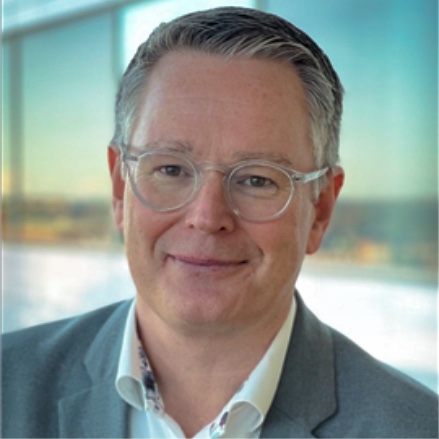
Prof. Richard Rosenquist Brandell
A brief look back and an eye to the future
Affiliations: Professor of Clinical Genetics, Karolinska Institutet, and Director of Genomic Medicine Sweden (GMS)
Learn more
Richard Rosenquist Brandell is Professor of Clinical Genetics at Karolinska Institutet and a senior physician at Karolinska University Hospital. He is also Director of Genomic Medicine Sweden (GMS), Sweden’s national initiative for implementing precision medicine and genomic diagnostics in healthcare.
His research focuses on the molecular genetics of hematological malignancies, particularly chronic lymphocytic leukemia (CLL), with a strong emphasis on translating genomic discoveries into clinically useful diagnostics and improved patient care.
As Director of GMS, Richard Rosenquist Brandell leads a national collaboration bringing together healthcare, academia and research infrastructures to accelerate the implementation of precision medicine across Sweden. His work has been instrumental in developing national approaches to genomic diagnostics, data sharing and equitable access to precision medicine.
At the GMS Annual Conference 2026, Richard Rosenquist Brandell will open the conference and provide a national perspective on the transition from genomic innovation to clinical utility.
Register Now!
Register today for the GMS Annual National Conference 2026 – this year in Lund!
📍 Venue: Medicon Village, Lund
📅 Date: 8 October 2026
⏰ Time: 08:30–17:45