

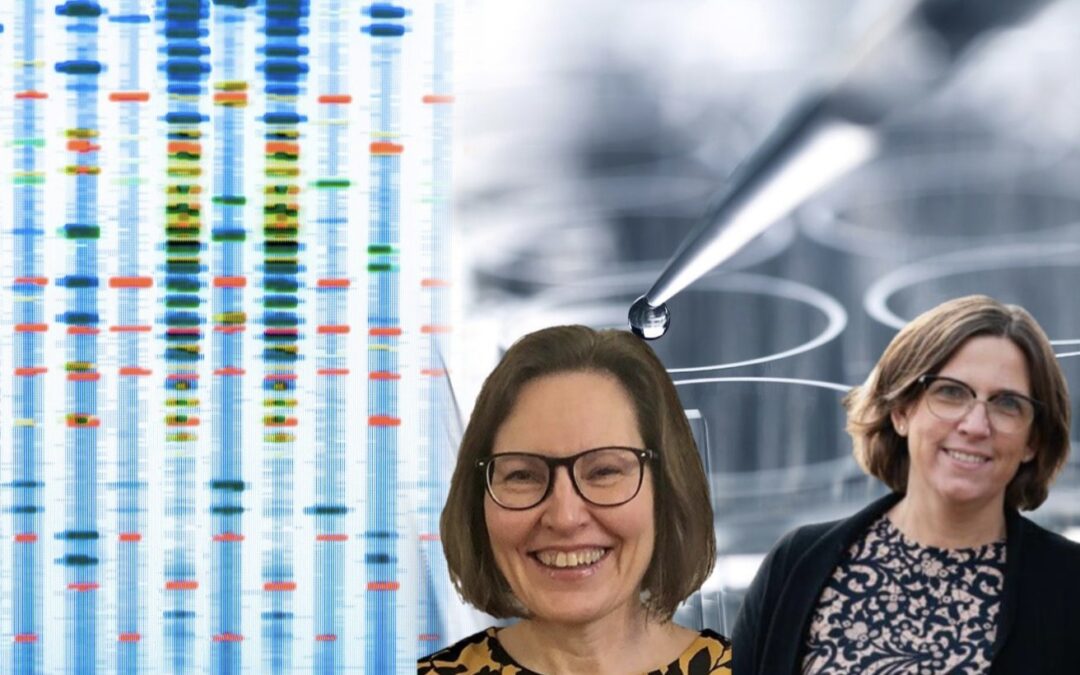
Genomic analyses, including studies of the entire genome, are being used increasingly in healthcare, but knowledge and preparedness are not keeping pace. A study involving more than 100 physicians from different specialties shows that only a minority feel sufficiently prepared to interpret results and guide patients, despite a clear interest in the field. The study clearly highlights the need for education, support, and national guidelines.
“The study confirms what we have seen and continue to see in healthcare – the willingness to use genomic medicine is there, but a lack of knowledge, experience, and resources means that many physicians do not feel ready,” says Maria Johansson Soller, associate professor and senior consultant in Clinical Genetics at Akademiska sjukhuset in Uppsala.
Genetic testing is rapidly becoming more common in healthcare and is now used in everything from cancer diagnostics to investigations of rare conditions. In the current survey study, more than half of the physicians reported having ordered genetic tests during the past year, and nearly 70 percent had been in contact with clinical genetics services. At the same time, only 38 percent considered themselves sufficiently prepared to work with genomics-based precision medicine.
Charlotta Ingvoldstad Malmgren is one of the initiators and co-authors of the study:
“We clearly see that healthcare needs to be equipped with the right expertise and structured support. Collaboration and coordinated efforts from multiple stakeholders are essential if Sweden is to successfully implement precision medicine and become a leading country in genomic medicine across the entire healthcare system,” says Charlotta Ingvoldstad Malmgren, associate professor and genetic counselor at Karolinska University Hospital.
The uncertainty concerns both the interpretation of test results and how to explain them to patients and their relatives. Only around one third reported feeling knowledgeable about cascade testing, meaning the follow-up investigations that may become relevant when a hereditary variant is identified within a family. Cascade testing is used to identify relatives who may be carriers, often following genetic counseling.
The study also highlights broader challenges related to legal, ethical, and psychosocial issues. Many physicians currently carry out parts of the process themselves, such as collecting family histories, assessing indications for testing, and documenting information, but few believe they have sufficient knowledge to provide comprehensive information or ensure informed consent. This sends a clear signal that healthcare organization and professional development have not fully kept pace with medical advances.
The researchers call for more clinically integrated continuing education, clearer pathways for contacting genetic experts, and national guidelines that can reduce disparities between regions. They also emphasize the need for quality-assured patient information materials that can support both physicians and patients in difficult decision-making processes.
Publications
Joar Björk, Mikaela Friedman, Amy Nisselle, Maria Johansson Soller, Charlotta Ingvoldstad Malmgren
Journal of Community Genetics, 18 July 2025
Joar Björk, Mikaela Friedman, Amy Nisselle, Charlotta Ingvoldstad Malmgren, Maria Johansson Soller
Journal of Community Genetics, 15 January 2026